Thai Holy Basil Plants

Thai holy basil plants
Holy basil is another type of basil native to Southeast Asia, and it's easy to confuse it with Thai basil, as it's sometimes referred to as "Thai holy basil." But the two actually belong to different species — holy basil belongs to the Ocimum tenuiflorum species, and Thai basil belongs to the Ocimum basilicum species.
How do you grow Thai holy basil?
Planting Instructions
- Fill container(s) with pre-moistened potting soil.
- Sprinkle a small number of Thai basil seeds across the top of the mix and cover lightly.
- Place container(s) in an area where the ambient temperature is at least 70°F to promote the seeds to germinate.
- Keep the soil moist but not saturated.
Does holy basil like sun or shade?
Light. Giving holy basil plenty of sunlight will ensure large healthy leaves. This plant will tolerate some shade, but anything more than dappled shade and you will notice a decline.
How long does Thai basil plant last?
Basil may survive for two years before replanting in warm climates. An indoor basil plant with full sun and steady warm temperatures may last longer as well. Basil plants are sensitive to cold weather and frost.
Who should not use holy basil?
Holy basil is probably safe for most people; however, Pregnant and breastfeeding women, women who are trying to become pregnant, and people with type 2 diabetes, hypothyroidism, and those undergoing surgery should avoid holy basil.
Why is Thai basil so good?
Research shows that Thai Basil is high in antioxidants, anti-cancer, anti-viral, anti-bacterial, and anti-fungal properties, which is why it has been used in traditional healing since centuries ago. Aside from ingesting Thai Basil, you can also bruise the leaves and inhale its aroma to relieve stress.
Can Thai basil survive winter?
Generally, its growth cycle doesn't include overwintering; rather it dies down and the hard seeds wait in the ground over winter and then germinate during the spring thaw. When temperatures dip, basil suffers cold damage almost immediately in the form of blackened leaves. Therefore, basil and cold weather do not gibe.
How do you cut Thai basil so it keeps growing?
To stimulate growth. When you clip basil stems back to a fresh set of leaves, you force those leaves to grow, doubling the basil produced on that stem. And as those stems grow, you can pinch them back and double their production – it's exponential!
How do you care for potted Thai basil?
Caring for Thai basil Harvest regularly and remove flower spikes to delay your basil running to seed. Thai basil prefers a moist soil, so enrich with compost and manure, water regularly, and mulch to reduce water loss through evaporation. Always water the soil and not the foliage, especially in hot weather.
How often should you water holy basil?
Holy basil likes a moist environment. Frequent watering is required for seedlings to keep the soil moist. Established plants should be watered once every 4-6 days in spring and fall, and every 2-4 days in summer. In winter, move inside and reduce watering.
Should I let holy basil flower?
If you're growing basil for its leaves and taste, harvest them before letting the plant bloom. If it's purely for decorative purposes, then go ahead and let your plant bloom. Either way, your freshly picked leaves will still have all the same health benefits!
What plants should not be planted near basil?
On the other hand, there are some plants that you should avoid planting near your basil. These include cucumbers, fennel, common rue, sage, and thyme.
Does Thai basil need full sun?
Thai basil prefers soil that is lightly moist, slightly acidic, well-drained and rich in organic matter, such as compost. It thrives in full sun but will tolerate part shade.
Can you overwater Thai basil?
Thai basil needs consistent watering, but if you overdo it, the plant's leaves will turn yellow and fall to the ground. You can avoid overwatering your plant by giving it small amounts of water frequently.
Will basil grow back after cutting?
Yes, when done properly, basil will grow back after you cut it. It won't come back if you take it all the way down to the ground however. So make sure to only prune it from the top, and never cut back the bottom stems all the way to the ground.
Can holy basil cause high blood pressure?
Tulsi leaves or holy basil is known to be an effective treatment for high blood pressure. According to the journal Studies of Ethno-Medicine, combination of neem and tulsi was beneficial to lower the blood pressure levels due to their active compounds.
Is holy basil a mosquito repellent?
Holy Basil is an effective plant-based mosquito repellent that keeps insects and mosquitoes at bay. As stated by various reports and studies, this plant is particularly effective in getting rid of mosquitoes and other insects, especially during monsoons.
Is holy basil anti aging?
Tulsi, or holy basil, has been used for centuries to support immunity, stress response, anti-aging, and the body's natural detoxification process.
Can you eat Thai basil leaves raw?
Thai basil is wonderful eaten raw, slivered, and added to salads, both your plain old cucumber-tomato salad or something meaty like northern Thai larb. But its hardy leaves stand up especially well to cooking—their flavor infuses readily into food and the leaves don't wilt quite as much as Italian sweet basil's would.
What part of Thai basil do you eat?
Are Thai basil flowers edible? The flowers are edible in the sense that they can be used in dishes safely. However, we wouldn't advise eating them on their own as the texture isn't the most appealing. Instead, use the flower heads as a garnish.
15 Thai holy basil plants Images
Beautiful shot of purple holy basil from this year Garden guide

Pin on Gardening

Thai Holy Basil Seeds Ocimum tenuiflorum Thai Holy Basil Seeds

Holy Basil Ocimum Sanctum Ocimum tenuiflorum Planting herbs

Gardening

96 Likes 0 Comments ProjectVeg LLC founderofprojectveg on

Holy kraprao
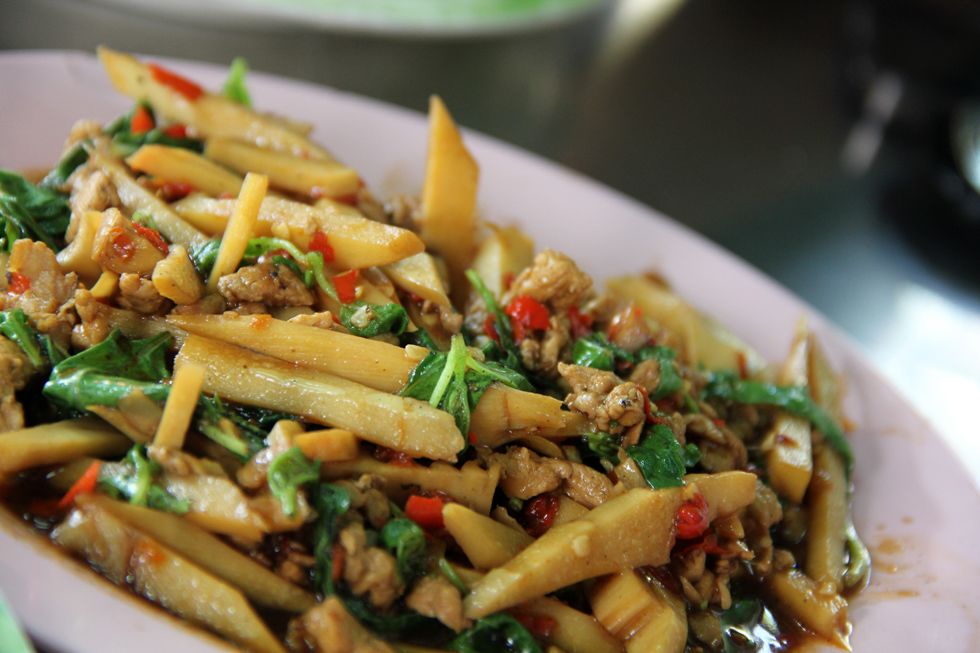
Pork and Bamboo Shoot Stir Fried with Thai Holy Basil Asian street

experimenting with Thai food Must have this fragrant Thai Basil

Possible new fungus on basil Plant leaves Fruit Basil

Thai Stirfry Holy Basil Paste 70g Blue Elephant Holy basil Stir

Pin on Basil plant

Image result for thai basil drawing Flower drawing Tattoos Rosemary

Albahaca tailandesa Herb Garden Vegetable Garden Garden Plants

Post a Comment for "Thai Holy Basil Plants "